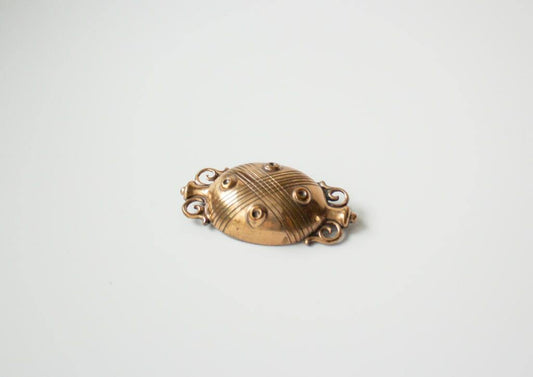
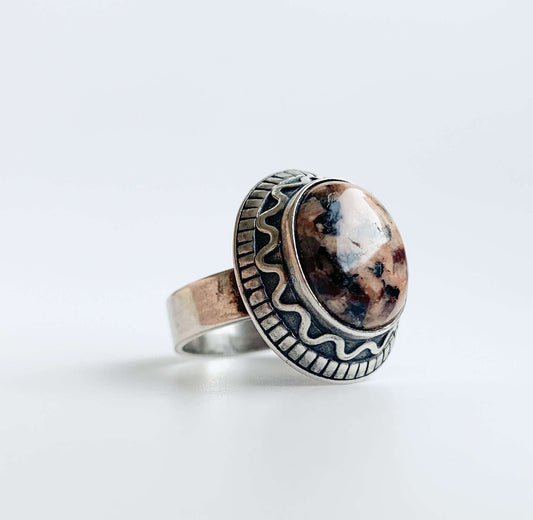
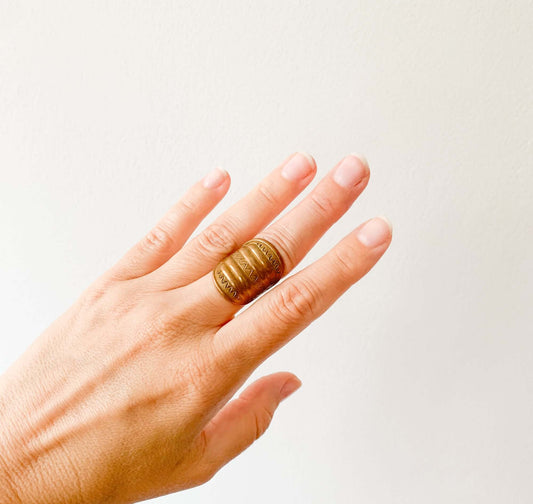
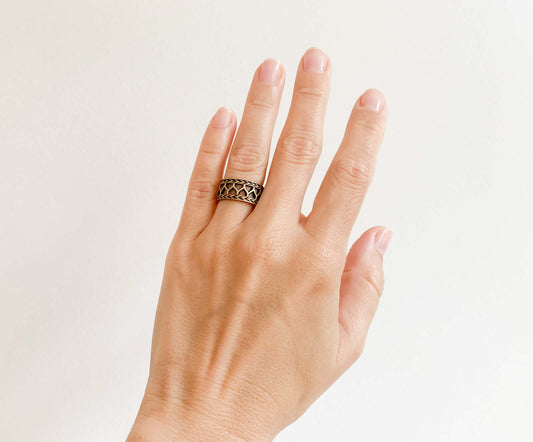
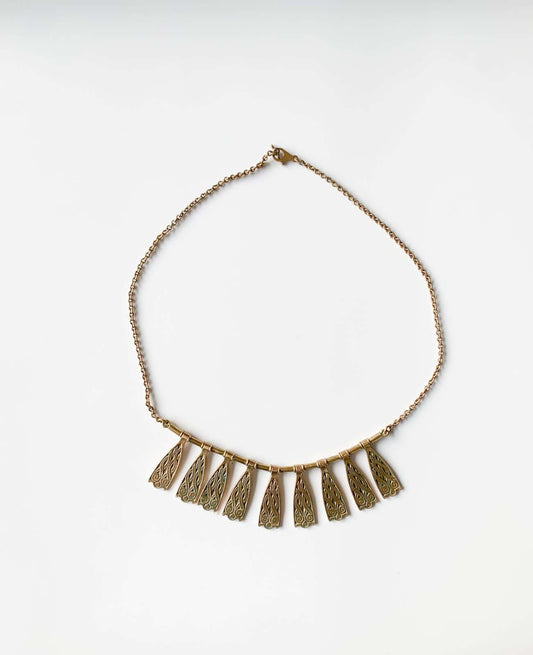
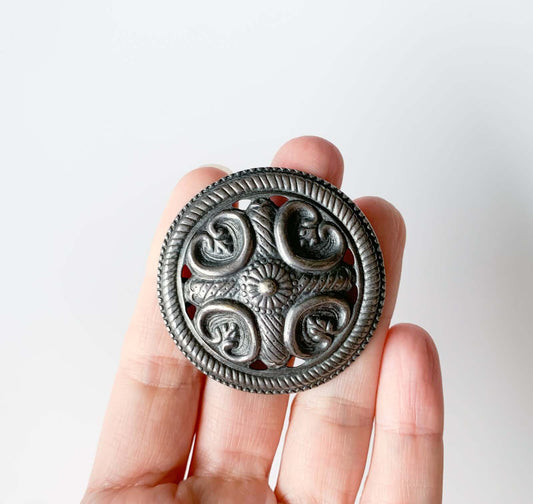
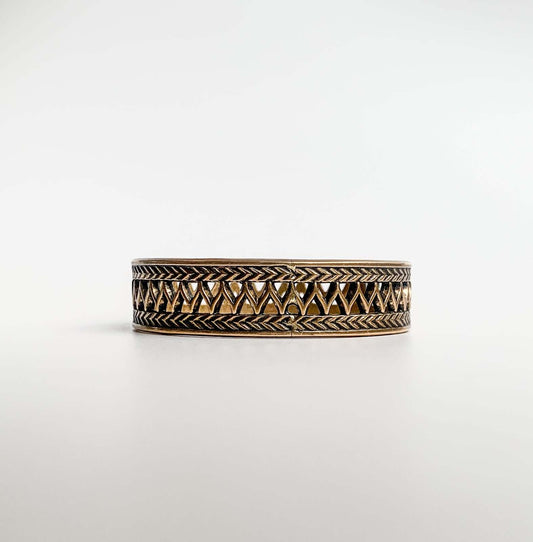
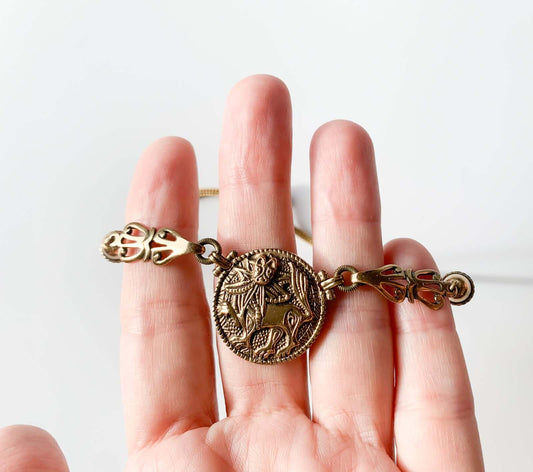
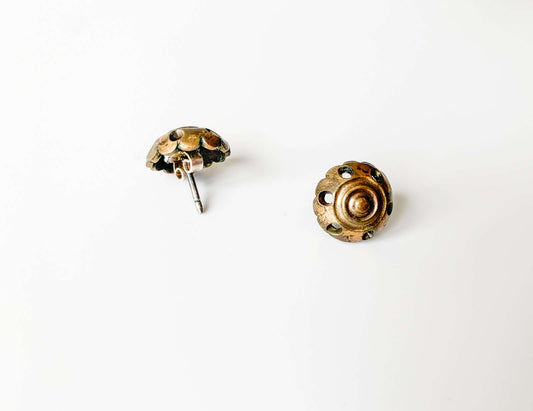
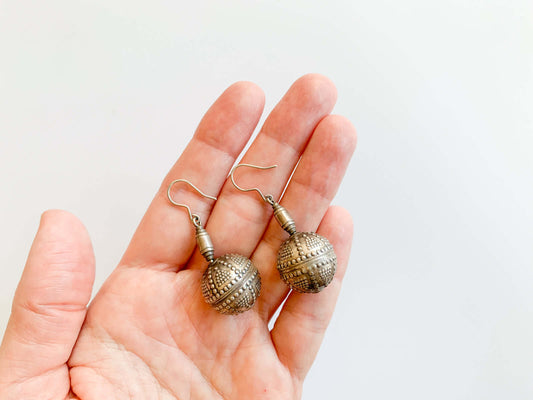
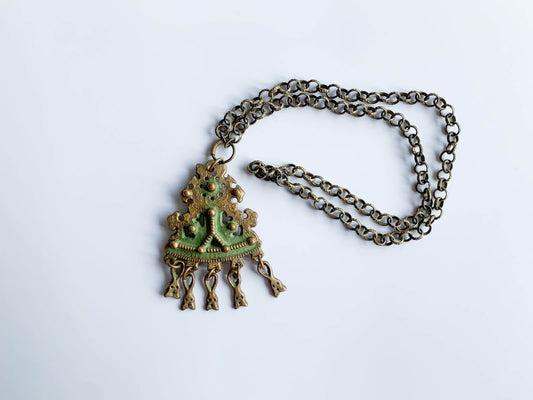
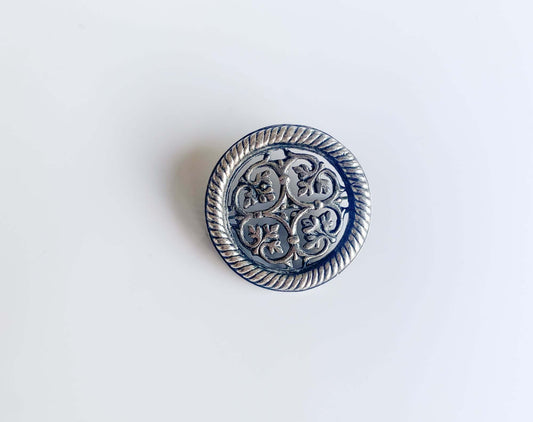
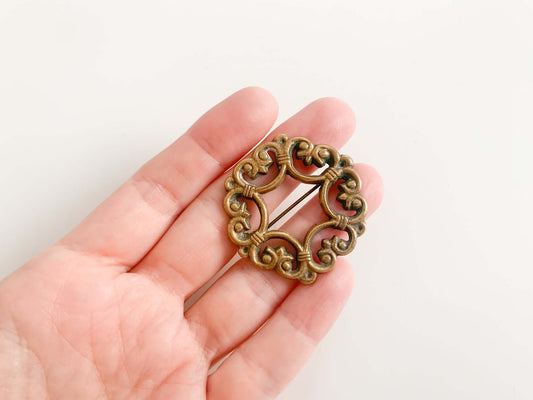
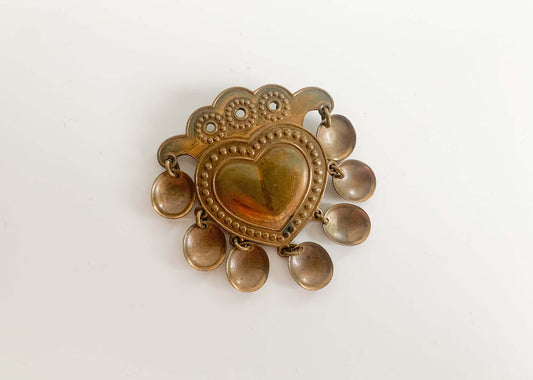
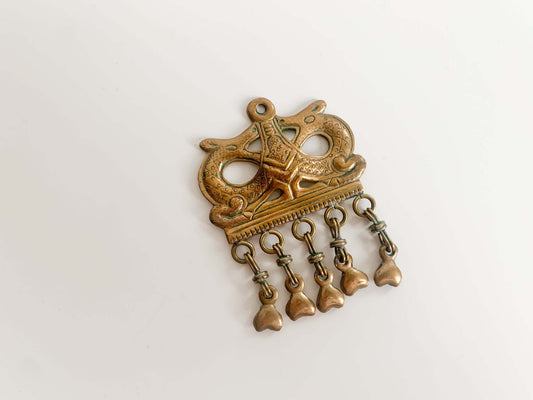
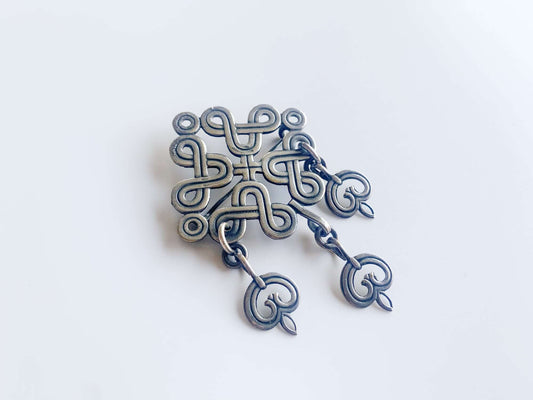
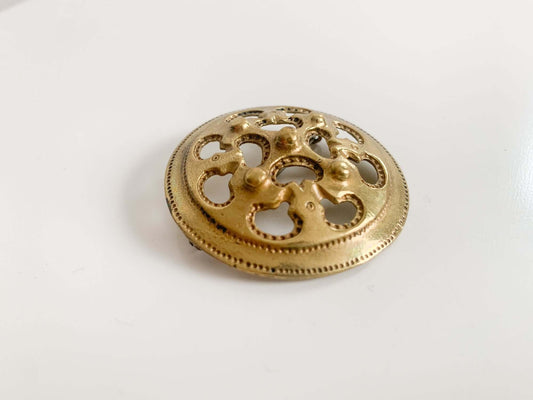
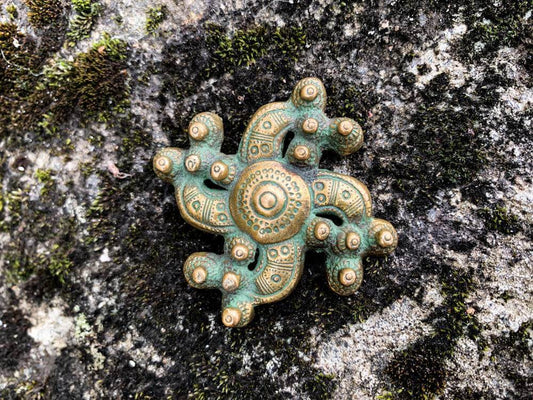
Kalevala Koru Oy was founded in Finland in the late 1930s. The initiative was led by Elsa Heporauta, who sought to raise funds for a monument honouring Finnish women and national heritage. When traditional fundraising methods proved insufficient, she and a circle of civic minded women turned to jewellery production.
The first collection was introduced in 1937. Designs by Germund Paaer were based on archaeological discoveries preserved in Finnish museum collections. Ancient brooches, pendants, rings and ornamental details from the Bronze Age and Iron Age formed the visual foundation of the brand. The designers translated historical forms into wearable objects suited to contemporary use.
Women Led Ownership
From the outset, the company was tied to a women’s cultural movement. Today, it is owned by the Kalevala Women’s Association. This ownership model is uncommon in the jewellery industry.
The association supports cultural initiatives, scholarships and projects connected with Finnish heritage and the role of women in society. The commercial success of the jewellery business therefore remains structurally linked to a broader cultural and social mission.
Designers and Artistic Development
Throughout the 20th century, Kalevala Koru worked with recognised jewellery designers and goldsmiths. Early collections closely followed documented historical prototypes. Over time, designers introduced more interpretive approaches while keeping connections to northern ornament and symbolism.
Silver and bronze became the primary materials. Surface texture, sculptural volume, and strong symbolic motifs distinguish many of the pieces.
The company manufactures its jewellery in Finland. Maintaining local production has supported consistent workmanship and preserved design continuity across generations.
Contemporary Position
Kalevala Koru continues to develop collections inspired by Nordic nature, mythology and regional identity. At the same time, forms are adjusted to current stylistic preferences through refined proportions and updated detailing.
Because the design language is rooted in historical archetypes rather than short term fashion trends, many pieces from earlier decades remain visually compatible with modern styles. This balance between heritage reference and present day adaptation underpins the brand’s sustained visibility in Finland and the wider Nordic market.
Hallmarks and Identification
Authentic Kalevala Koru jewellery is marked with the company’s maker’s mark. Depending on production period, pieces may carry variations of the Kalevala symbol or a double K mark. Silver jewellery includes official Finnish fineness stamps that indicate metal purity.